
PVC Tarpaulin: Weights, Uses, and What to Look For

PVC Tarpaulin is a fantastic product for your indoor and outdoor applications
If you are looking for a versatile product that is heavy-duty, then PVC Tarpaulin is the perfect choice. Available in a selection of thicknesses and vibrant covers, PVC Tarp can be used for a vast selection of applications, from truck curtains to tents, canopies, jumping castles, dam linings and even mattress covers. With the variety of uses comes a variety of options like what thickness to use and checking to see whether you’re purchasing the right quality for your project.
We’ve put together a guide to understanding what PVC Tarpaulin is, what it’s uses are and how to pick the right thickness and quality for your needs.
What is PVC Tarpaulin?
PVC Tarpaulin or Polyvinyl Chloride Tarpaulin, is a strong, flexible and waterproof fabric made by coating or laminating a woven polyester base cloth with layers of PVC vinyls. The combination gives the material both structural strength from the polyester and weather resistance from the PVC surface. Typically PVC Tarpaulin has three layers, a middle polyester base cloth that is layered on the top and bottom with a PVC or vinyl coating that repels water, UV rays and dirt. These layers are bonded together under high heat and pressure, resulting in a durable, flexible sheet that can be used for both temporary and permanent applications.

Key Features of Quality PVC Tarpaulin
-
Waterproof and rot-resistant
- Mold Resistant
-
UV stabilized to prevent fading and brittleness
-
Easy to clean and maintain
- Fire Retardant
-
Available in a wide selection of Colours and Thicknesses

PVC Tarpaulin Weights and Their Uses
The weight of PVC tarpaulin is measured in grams per square metre (gsm). The heavier the fabric, the thicker and more durable it is. Here’s a quick breakdown:
550gsm – Medium Duty
This is one of the most popular options as it is available in the widest range of colours and can be used for a wide variety of applications.
-
Use Case: Ideal for trailer covers, bakkie covers, outdoor blinds, protective equipment covers, pool covers, mattress covers, gym mats, waterproof bags, jumping castles and light weight tenting.
-
Features: Flexible, fairly lightweight, easy to handle and install. Suitable for indoor and outdoor applications. Typically comes in a 1.5 meter width and a 3 meter width.

700gsm – Heavy Duty
The 700gsm range is also available in a great colour range. Due to its weight, its uses are far more specilzed than the 550gsm.
-
Use Case: Truck tarps, industrial curtains, tent roofs, inflatable structures, high jump mats and tenting.
-
Features: Offers strong resistance to tearing and abrasion. Can withstand harsh weather and UV exposure for longer periods. Available in a 3 meter width.
800gsm – Extra Heavy Duty
Available in the smallest colour range, 800gsm is used only for specialized uses in specific industries like logistics and farming.
-
Use Case: Dam linings, silage covers, event tents, long-distance haulage covers (truck curtains), farm structures.
-
Features: Ultra-durable, high tensile strength. Built for permanent or semi-permanent installations and extreme conditions. Available in a 3 meter width.

Choosing the Right PVC for Your Project
When deciding on the type of PVC you need, make sure to keep the following in mind:
-
Environment: Outdoor projects exposed to sunlight and rain require a better quality PVC Tarpaulin that is coated in a highly resistant vinyl.
-
Durability Needs: For high-wear applications like truck curtains or dam linings, go for 700gsm or 800gsm.
-
Weight and Handling: For smaller or portable projects, 550gsm strikes the best balance between flexibility and strength.
-
Colour: Lighter colours reflect heat (useful for tents and covers), while darker colours offer better UV resistance and hide dirt.
- Fire Risks: Choose a PVC Tarpaulin with fire retardant properties for applications that may be near open flames.
Construction Methods: Welding vs Stitching
The two most popular ways to construct your desired products is by welding or stitching your PVC Tarpaulin. It’s important to note that the construction method will effect your final products longevity and waterproofing.
High-Frequency Welding
-
Best for: Sealing tarps that need to be waterproof, airtight, and long-lasting.
-
Benefits: Seamless joins, high strength, and weather-resistant. Ideal for professional products, especially if used outdoors.
Stitching
-
Best for: Light-duty or budget applications, or where flexibility and speed of production are important.
-
Downside: Needle holes can compromise waterproofing unless sealed; not as durable under tension.

Local vs Imported PVC: What’s the Difference?
Currently in South Africa you will find locally manufactured and imported PVC Tarpaulin. In our experience we have found that locally manufactured PVC Tarpaulin is a better choice for outdoor and heavy-duty applications as it withstands our climate better and therefore lasts longer.
Locally Manufactured PVC
Advantages:
- Faster turnaround times.
- Easier quality control and communication with suppliers.
- Often more affordable and supports local industry.
- Better suited to local climate conditions, especially high UV.
Imported PVC
Advantages:
- Sometimes offers access to unique finishes.
- May be cost-effective in large volumes.
Note: Imported PVC may not always meet South African climate requirements, especially under high UV exposure, unless specifically treated.
Caring for Your PVC Tarpaulin
Although PVC Tarpaulin is a low maintenance product, proper maintenance can extends its life considerably. With the proper care you’re high quality PVC Tarpaulin can last many years without losing flexibility or colour.
Here are some tips for maintaining yours:
-
Clean regularly with mild soap and water to prevent buildup of dirt and mold.
-
Avoid harsh solvents that can damage the coating.
-
Store rolled, not folded, to help prevent crease lines and cracking.
-
Inspect seams regularly if stitched, and re-seal if needed.
Get Your Projects Going
Now that you have a better idea of what PVC Tarpaulin is, how it’s made and the different weights it comes in, you’ll be better equipped to choose the right option for your needs. Whether you’re creating a dam liner or a small garden cover, using the right material for the job means better durability, lower maintenance, and long-term satisfaction. This won’t just help you when you’re purchasing PVC, but will also give you an idea of what to ask your local upholsterer or tent maker before going ahead with yout finished product.
✅ Still Need Help Choosing?
At Sonpra Superstore, we stock a wide variety of PVC tarpaulins in multiple weights and colours — only locally manufactured for our unique climate — and can guide you through welding options and fabrication techniques to suit your needs.
- Published in Blogs, Uncategorized
5 Compelling Reasons to Reupholster & Upcycle your Furniture


Over the last few years I’ve found myself upcycling old pieces of furniture that catch my eye. It started with reupholstering the first 2 seater sofa we ever purchased and ended in me digging in a corner at a thrift store for antiques that were begging for new life. I realised that upcycling old furniture and antique pieces, rather than buying new is highly rewarding. Not only do you preserve a piece of history, but there are loads of practical and environmental benefits too.
Here are five compelling reasons why you should upcycling and reupholster furniture and antique pieces.
1. Unique and Quality Pieces
I love that by upcycling old furniture you can create unique pieces. Unlike the mass produced furniture on the market, an antique and upcycled piece has a history and character and you can make it one-of-a-kind. It also adds something special to your home environment and reflects your personal style.
In addition, you’ll find that older furniture is often made with higher quality materials and craftsmanship compared to modern items that would cost the same. You’ll also find that often these pieces are made with solid wood and have intricate designs that aren’t commonly seen on the market. By investing in quality, you ensure that your furniture is beautiful, durable, and capable of lasting.
2. Supporting Local Artisans and Craftsmen
There are plenty of talented craftsmen and upholsterers in South Africa that will breathe new life into your old furniture. By giving them the opportunity to help you upcycle your furniture pieces you support your local economy and foster a community of skilled tradespeople and small business owners. Your local upholsterer and craftsmen will bring expertise and passion to their work that will be evident in the final product. It’s also a great way to help preserve traditional skills that would otherwise be lost in the age of mass production. If you’re looking to find an upholsterer in your area you can reach out to upholstery suppliers near you – we’re always happy to give referrals.

3. Cost-Effective
Reupholstering and upcycling furniture is often more cost-effective than buying new. Of course it does depend on the item that you are upcycling and the materials you decide to use. But if you choose to rather fix a set of furniture you bought 10 years ago, most of the time it will be more cost-effective and you’ll be sure of the quality. You’ll find that a lot of the time older pieces are more durable and higher quality than most modern furniture pieces. This means you won’t have to replace them as frequently, which means saving money now and in the long run.
4. Personal Satisfaction and Creativity
There is a unique sense of satisfaction from upcycling furniture or finding the perfect antique piece. The process allows you to express your creativity and breathe new life into items that might otherwise be discarded.
Whether you’re reupholstering granny’s favourite chair, refurbishing the headboard you bought years ago, or turning a thrifted sofa into a multicolour work of art, upcycling is both challenging and rewarding. It provides an opportunity to learn new skills, engage in sustainable practices, and create something uniquely tailored to your tastes. The result is a piece of furniture that tells a story and adds character to your home.
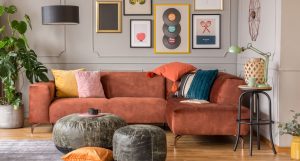
5. Environmental Benefits
The environmental impact of fast furniture production is significant. Like fast fashion, fast furniture prioritizes low-cost production and quick turnover of trendy items. This leads to substantial waste, with many pieces ending up in landfills within a few years.
When you choose to upcycle or buy antiques, you help reduce waste and the demand for new resources. Reupholstering or redesigning existing pieces means fewer trees are cut down, less energy is used in manufacturing, and less waste is produced. Additionally, transportation emissions are reduced since antiques often come from local sources rather than international factories.

We can curb fast furniture waste by reupholstering and upcycling
Why Reupholstering Is The Way To Go
Being in the upholstery supply industry has given us plenty of opportunities to witness upcycled projects come to life. We’ve had a front seat in seeing the joy of an old forgotten piece of furniture get new life. It’s what inspired us to upcycle our own furniture, and let me tell you, we were not disappointed.
It’s fantastic seeing how a little bit of material and a few upholstery accessories can transform your furniture. From reducing waste and supporting local artisans to investing in quality and enjoying the creative process, the advantages are clear. Each piece of upcycled or antique furniture has a unique story and offers a timeless addition to your home. So if you’re looking to replace your furniture, why not first consider reupholstering what you have. We promise you won’t regret it.
- Published in Blogs, Uncategorized


